About
Muhammed Sinan B · LinkedIn Brand Strategist
I'm a LinkedIn brand strategist based in Kannur, Kerala, working with founders and businesses across India, the Gulf, the UK and the US. I'm in my early twenties and self-taught. I'd rather hand you a diagnosis than a highlight reel, and I build everything as a documented system because I'm forgetful by nature: what I do for you has to survive me not being involved.
Book a 1:1 call →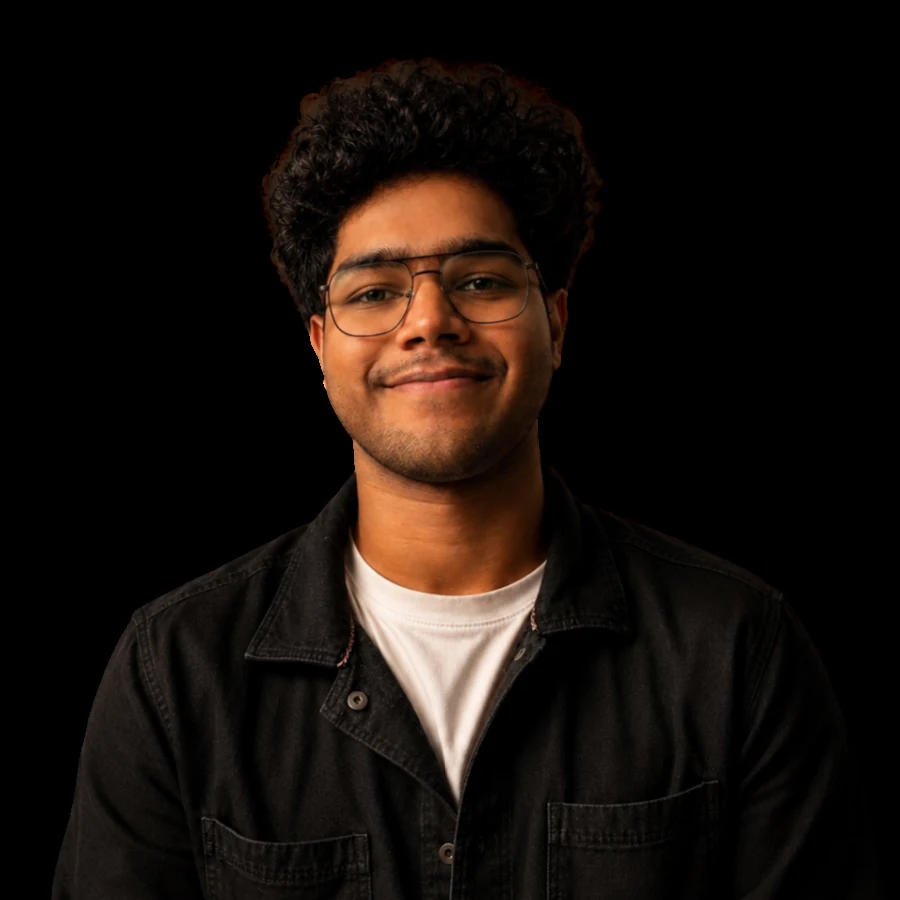
The problem I keep seeing
The expertise is there. The profile reads like a resume.
A working product. Paying customers. Years of knowing the field better than almost anyone in the room. Then you open their LinkedIn and it is a job title, a company name and a headline nobody remembers. Meanwhile someone three years in is getting the investor DMs, the podcast invites and the inbound deals.
The writing is the small part. What eats the week is everything under it: the profile, the daily engagement on other people's posts and the system that keeps both running. Posting more leaves all of that exactly where it was. So I start underneath.
Most of the names on your list will never see your posts.
LinkedIn shows your posts to the people who already engage with you. Add a thousand more names who never react and your reach stays where it is. Fix who is on the list first and the content finally has somewhere to land.
How I actually work
Diagnose first. Build the system. Then let the content do its job.
On the first call, I look at a profile, an audience and a positioning live, and give the real reason LinkedIn isn't working for you specifically. From there I build the parts that fix it, and hand over documentation for every piece, so the system keeps working even if I'm not involved.
Weekly or biweekly calls pull real stories and opinions, so by the second month most people tell me they've forgotten which posts they didn't write themselves.
- Profile rebuild, ICP and a target account list, built once inside the first two weeks.
- Content written in your voice, pulled from real calls with you.
- Daily engagement on target accounts, so the right people know your name before they need you.
- A monthly report and a documented system, handed over on purpose.
Proof
What the systems have produced so far.
I keep client names private, but the systems themselves are real and documented: audits, strategy documents, content calendars, monthly reports. Nothing lives only in my head.
268,536
Impressions
70,203
Members reached
10,430
Engagements
UK · Wellness-tech founder
An audit of all 2,072 of his connections found 92% sat outside his real audience. I rebuilt the network around a 4-tier audience map, then re-pointed the entire content engine at the people who actually mattered.
India · EdTech accelerator
The strategy evolved into problem-aware authority content over time. I ran two founders' personal profiles plus the company page for six months, until the company outgrew needing an introduction from either of them.
Pre-launch · Wellness company
Inbound from the right audience started landing before the product even shipped, because the founder brand and content engine were built first: pillars, calendar, channel separation.
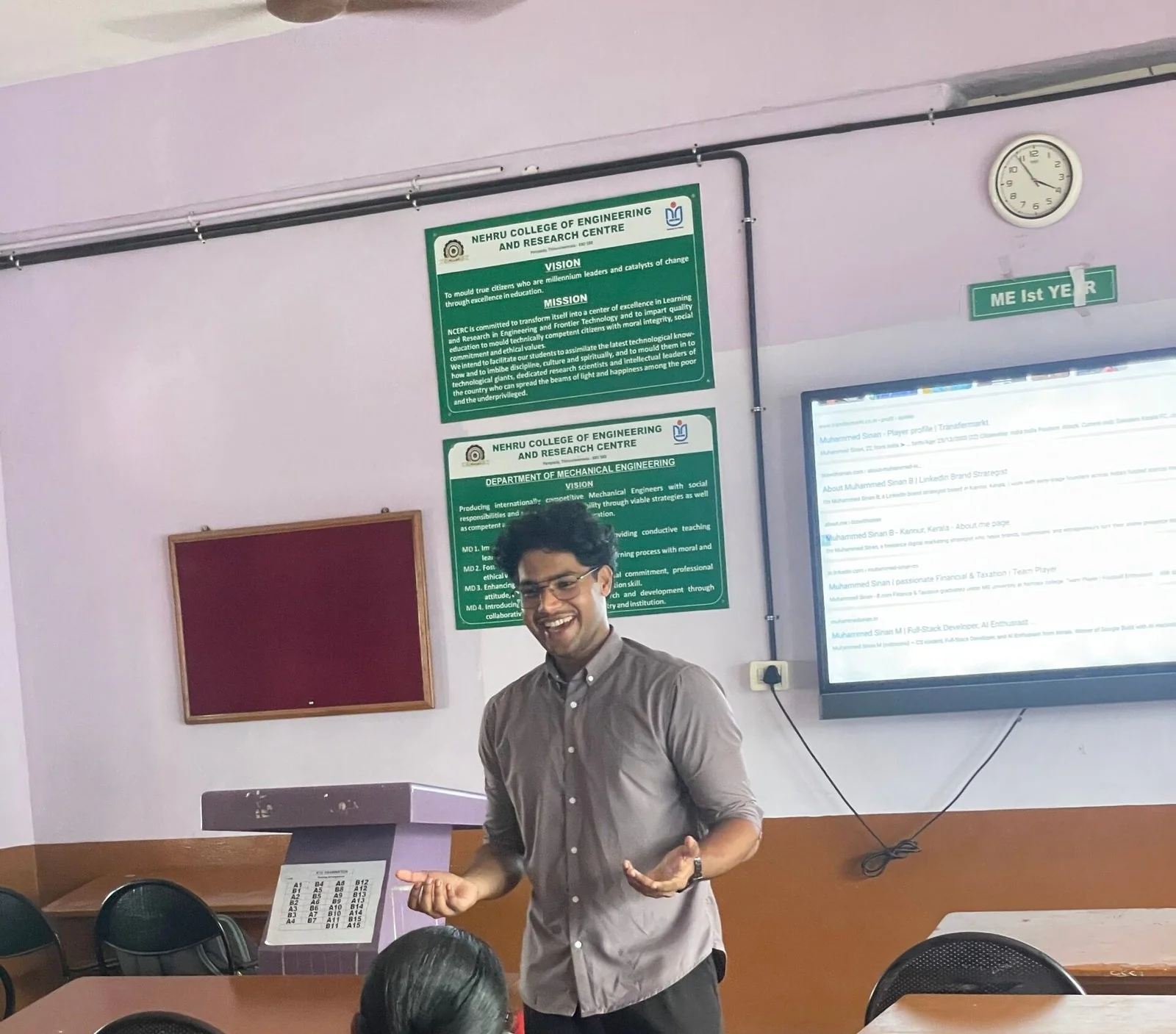
Who I work with, and where
Founders and businesses across India, the Gulf, the UK and the US.
Mostly early-stage founders and business owners, from SaaS, AI, DevTools and EdTech to B2B wellness tech, plus a growing number of service-based businesses that reach out directly. Most of my work runs across India's funded startup metros, the Gulf (UAE, Saudi Arabia), the UK and the US, over calls rather than in person.
I live in Kannur, Kerala, and the process doesn't change much by geography: diagnose first, build the system, then let the content do its job. If you're local, here's more on what that actually looks like: LinkedIn brand strategist in Kannur.
Let's talk
Book a call, or read what's included.
Thirty minutes. I look at your profile, your audience and your positioning live, then tell you the real reason LinkedIn isn't pulling inbound for you yet. You leave with a plan you could run yourself, with me or without me.